

The world of comics is a vast and vibrant tapestry woven from the creativity, passion, and skill of countless artists and writers. Yet, within this colorful history, many talented creators have faded into obscurity. Forgotten artists—those whose contributions shaped the medium but whose names are rarely mentioned—often risk being lost to time. However, thanks to the dedication of passionate comic fans, the legacy of these creators continues to live on. These fans act as historians, archivists, and advocates, preserving, promoting, and celebrating the work of artists who might otherwise be forgotten.
This article explores how comic fans preserve the legacy of forgotten artists through various means—archiving physical and digital works, engaging in scholarship and community sharing, advocating for recognition within and beyond fandom, and nurturing new talent inspired by these lost pioneers. Through their efforts, these unsung heroes maintain the cultural memory of comic art’s rich past while inspiring future generations.
Archiving and Preserving Physical and Digital Works
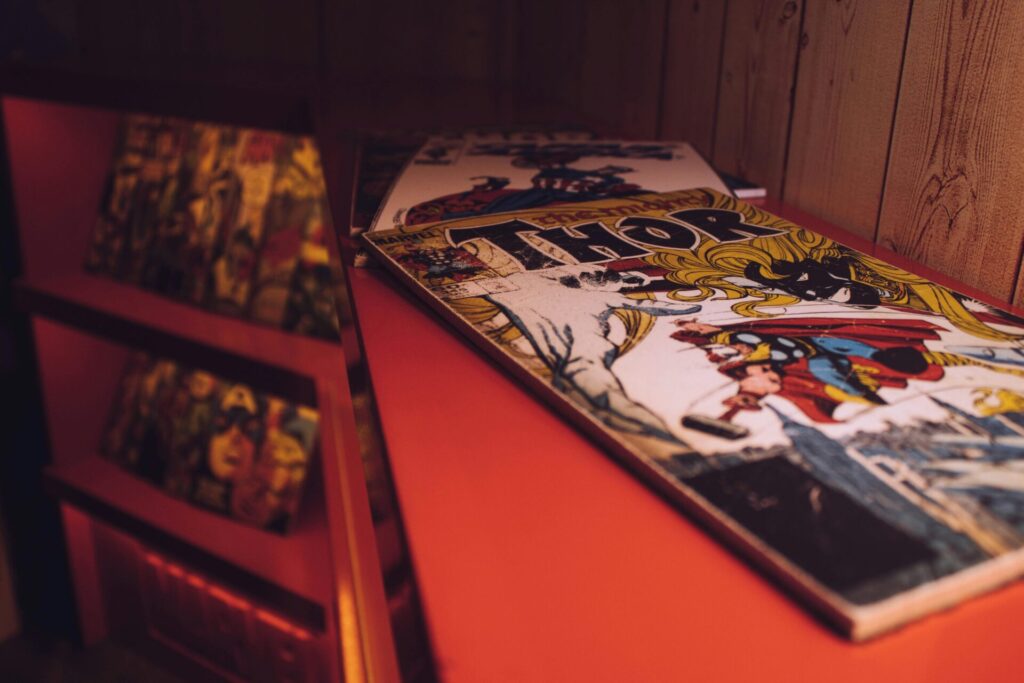
One of the most vital ways comic fans help preserve the legacy of forgotten artists is through archiving their original works and making them accessible to wider audiences. Many early comic artists worked in times when preservation was not a priority, and original prints, sketches, or published comics were often discarded or lost. Fans, aware of the historical importance of these artifacts, collect, restore, and digitize these works to ensure their survival.
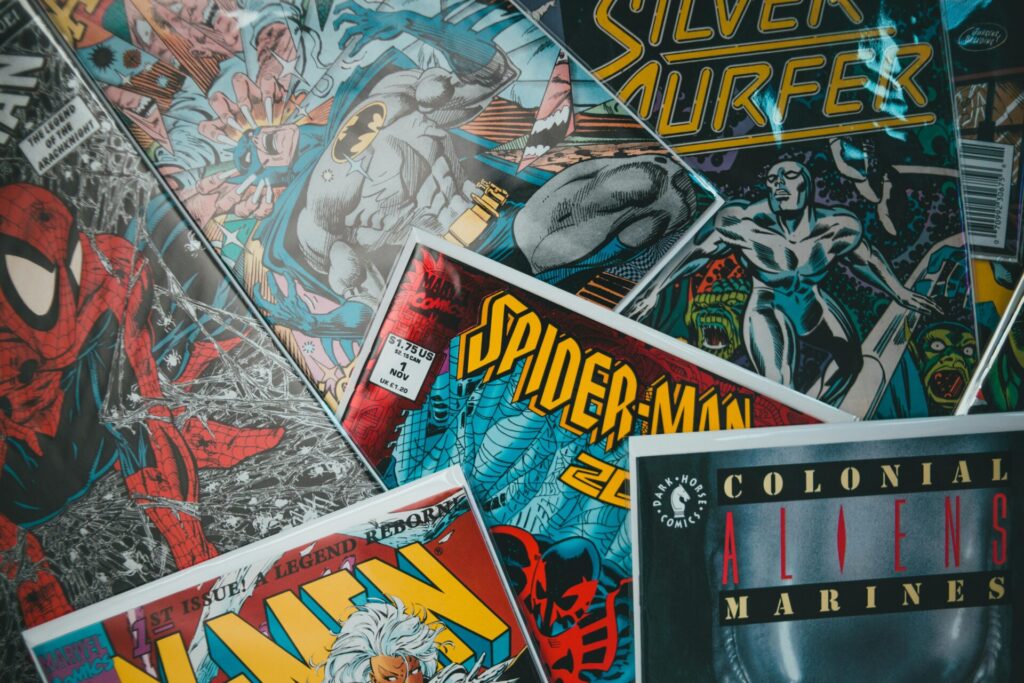
Collectors play a crucial role in this preservation process. Dedicated individuals painstakingly hunt for rare editions, fanzines, and art prints that may hold the only surviving copies of forgotten artists’ creations. These collectors often form private archives, sharing scans and reproductions with online communities or lending their collections to museums and libraries. In some cases, they collaborate with professionals to restore damaged pages or publish high-quality reprints.
Digital archiving has become a particularly powerful tool. Online platforms and fan-run websites curate extensive databases of comic art, biographies, and historical context. These archives democratize access to rare materials, allowing enthusiasts worldwide to explore the work of forgotten artists regardless of their geographical location or financial resources. By digitizing fragile originals, fans protect them from deterioration while expanding their reach.
Moreover, fan communities organize projects to preserve ephemeral and obscure publications like underground comics, fanzines, and small-press works. These grassroots efforts fill gaps left by mainstream institutions, ensuring that lesser-known but culturally significant works are not erased from history. Through archiving, comic fans create a living repository that honors the forgotten artists’ contributions and safeguards them for future study and enjoyment.
Scholarship, Research, and Community Sharing
Beyond preservation, comic fans often engage in scholarship and research that uncovers the stories and significance of forgotten artists. Many artists were overshadowed in their time due to industry politics, racial or gender biases, or the ephemeral nature of the comic medium itself. Fan historians dedicate themselves to piecing together these hidden narratives, conducting interviews, analyzing artwork, and publishing articles or books that highlight overlooked talents.
Online forums, social media groups, and specialized blogs serve as hubs for information exchange and discussion. Fans collaborate by sharing findings, correcting misinformation, and debating the artistic and cultural impact of various creators. This communal research fosters a richer understanding of comic history that goes beyond the dominant narratives promoted by publishers and mainstream media.
Additionally, fan scholarship often involves spotlighting marginalized voices in comics, such as women artists, creators of color, and international talents whose work was marginalized or excluded from canonical histories. By drawing attention to these artists, fans not only honor their legacy but also challenge the conventional storytelling around comic art history, making it more inclusive and representative.
Conventions and fan gatherings also play an important role. These events provide platforms for panels, exhibitions, and discussions dedicated to forgotten artists. Fans curate displays of rare artwork and memorabilia, sometimes inviting relatives or colleagues of these artists to share stories and insights. These gatherings create a physical space for the collective memory of the comic community to thrive and for new fans to learn about the past.
Through scholarship and community sharing, fans actively reclaim the legacies of forgotten artists, ensuring their contributions are recognized and celebrated in the broader cultural conversation.
Advocacy and Recognition in the Industry and Beyond
Preserving a legacy also means ensuring that forgotten artists receive proper recognition, both within the comic industry and in popular culture at large. Comic fans are often the most vocal advocates for this cause. By campaigning for credit restoration, reprints, and official tributes, fans push publishers, museums, and institutions to acknowledge artists who were previously overlooked or uncredited.
One common issue faced by forgotten artists is lack of proper credit during their careers, especially during the early and mid-20th century when many creators worked anonymously or under studio systems that obscured individual contributions. Fans have fought to correct this by lobbying publishers to update credits on reprints or to publish retrospective collections that highlight individual artists’ careers.
The internet has empowered fans to amplify their voices. Social media campaigns, petitions, and crowdfunding initiatives have funded new editions of classic works and biographies that spotlight forgotten talents. In some cases, fan-led efforts have even influenced award committees to recognize lifetime achievements of artists posthumously or to include them in halls of fame.
Museums and cultural institutions have also responded to fan advocacy. Exhibitions showcasing comic art history increasingly feature panels dedicated to neglected artists, and academic programs on comic studies often reference fan research. This growing institutional recognition helps integrate comic art into broader art history and cultural discourse.
Furthermore, fans use their platforms to educate younger readers about the roots of the medium. Podcasts, YouTube channels, and webcomics frequently highlight forgotten artists, connecting their pioneering work to contemporary creators. This educational mission helps maintain a continuum of appreciation, ensuring the contributions of earlier generations inspire today’s storytellers.
In essence, comic fans act as guardians and ambassadors, tirelessly advocating for the rightful place of forgotten artists in history and popular culture, ensuring they receive the credit and respect they deserve.
Inspiring New Generations Through Forgotten Legacies
A significant, though sometimes overlooked, way fans preserve the legacy of forgotten artists is by inspiring new generations of creators through rediscovery and reinterpretation. When fans unearth and share the work of lost or overlooked artists, they ignite curiosity and creativity in younger comic enthusiasts and professionals who draw from this rich, often underappreciated, history.
Many contemporary artists credit their early exposure to vintage or forgotten comic work as a critical influence on their style and storytelling. By showcasing these early pioneers, fans help cultivate a deeper appreciation for the craft and its evolution. This connection across time encourages innovation rooted in tradition rather than mere imitation.
Some fan communities actively support emerging artists by creating platforms where these new talents can publish work inspired by or paying homage to forgotten creators. Anthologies, tribute projects, and fan art exhibitions foster dialogue between past and present, allowing fresh voices to reinterpret classic themes, styles, and narratives. This ongoing conversation between eras strengthens the continuity of comic art as a living, breathing form of cultural expression.
Moreover, educational initiatives led by fan organizations or independent creators introduce young readers and aspiring artists to the stories of forgotten pioneers, highlighting their struggles, innovations, and impact. These lessons encourage respect for the medium’s history while promoting diversity and creativity in contemporary comic art.
By bridging the gap between the past and the future, comic fans ensure that forgotten artists are not only remembered but also actively shape the creative landscape of tomorrow.
Conclusion: The Enduring Impact of Fan Preservation
The legacy of forgotten comic artists is not lost—far from it. It lives vibrantly through the passion, dedication, and collective efforts of comic fans around the world. These enthusiasts act as archivists, historians, advocates, and educators, working tirelessly to recover, preserve, and celebrate the work of creators who might otherwise have been erased from the historical record.
By archiving rare materials, conducting in-depth research, sharing knowledge within communities, advocating for recognition, and inspiring new creators, fans ensure that the stories and art of forgotten creators continue to influence and inspire. Their work bridges generations, connecting the roots of comic art to its future and enriching the cultural landscape in the process.
As comics continue to grow as a medium—spanning genres, platforms, and cultures—the contributions of these forgotten artists remain foundational. Thanks to the unwavering commitment of comic fans, their legacy endures, reminding us that great art transcends time and that every creator’s voice deserves to be heard.
